
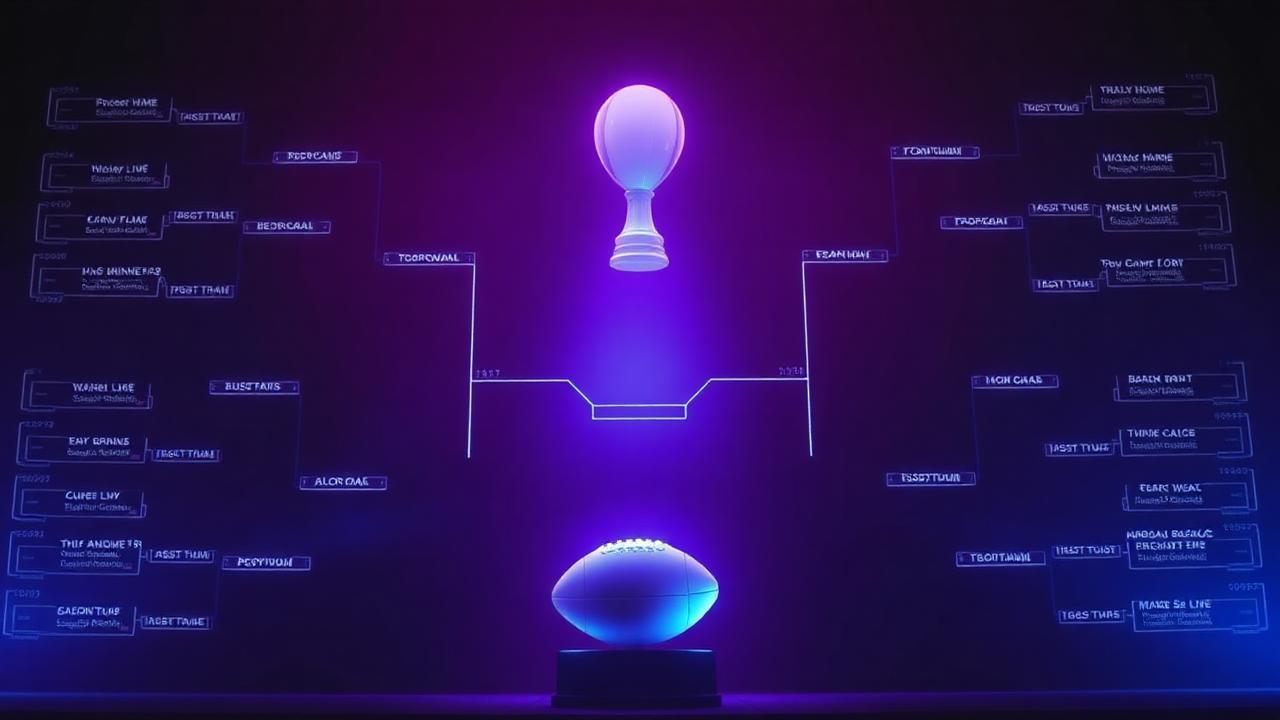
The 48-Team World Cup Format Explained – How Groups, Brackets, and Knockout Rounds Work in 2026
The 2026 FIFA World Cup represents the most significant tournament expansion in football history. With 48 teams instead of the traditional 32, the competition will span across the United States, Canada, and Mexico, creating an entirely new blueprint for international football's premier event.
FIFA's decision to expand from 32 to 48 teams fundamentally changes how the tournament operates. The structure affects everything from qualifying pathways to knockout round progression, creating both opportunities and complexities that will define football's future.
Revolutionary Group Stage Structure
The 2026 World Cup introduces a groundbreaking group stage format that abandons the familiar four-team groups used since 1998. Instead, the tournament features 12 groups of four teams each, with only the top two teams from each group advancing to the knockout stage.
This departure from previous expansion plans marks a crucial decision by FIFA. Initial proposals suggested 16 groups of three teams, but concerns about competitive integrity and match-fixing possibilities led to the current format. The three-team group structure would have created scenarios where teams could potentially manipulate results in final matches.
Each group stage consists of six matches per group, totaling 72 group stage games across the tournament. Teams play a round-robin format within their groups, with standard point allocation: three points for a win, one point for a draw, and zero points for a loss.
The group winners and runners-up proceed directly to a new Round of 32, eliminating the traditional Round of 16 as the first knockout stage. This creates a more streamlined progression while accommodating the expanded field.
Modified Knockout Round Progression
The knockout stage structure represents the most visible change for fans and players alike. With 24 teams advancing from the group stage instead of 16, the tournament requires an additional knockout round to determine the champion.
The Round of 32 becomes the new opening knockout phase, featuring 16 matches over four days. Group winners face group runners-up in predetermined matchups designed to maintain geographical and competitive balance. FIFA's seeding system ensures that the strongest teams avoid each other in early knockout rounds.
Following the Round of 32, the tournament proceeds through familiar stages: Round of 16 (eight matches), Quarterfinals (four matches), Semifinals (two matches), and the Final. The third-place playoff remains part of the tournament structure.
This progression creates a 104-match tournament compared to the current 64-match format. The additional 40 matches represent significant increases in television revenue, sponsorship opportunities, and global audience engagement.
Team Qualification and Regional Distribution
The expanded format allows FIFA to allocate additional spots across all six continental confederations. Europe (UEFA) receives the largest increase, growing from 13 to 16 spots. Africa (CAF) increases from 5 to 9 spots, while Asia (AFC) grows from 4.5 to 8.5 spots.
The Americas benefit significantly, with CONCACAF increasing from 3.5 to 6 spots (including automatic qualification for the three host nations) and CONMEBOL growing from 4.5 to 6 spots. Oceania (OFC) receives its first guaranteed spot, ending the confederation's reliance on intercontinental playoffs.
These allocation changes reflect FIFA's commitment to global football development and provide emerging nations with increased World Cup opportunities. Countries from regions traditionally underrepresented in World Cup competition gain realistic pathways to qualification.
The 2026 World Cup Venue Guide: All 16 Host Cities & Stadiums provides comprehensive details about where these expanded tournaments matches will take place across North America.
Tournament Duration and Scheduling Implications
The 48-team format extends the tournament duration from 32 to 39 days, creating the longest World Cup in history. This expansion affects everything from player fitness to television scheduling across global markets.
Group stage matches spread across 16 days instead of 12, allowing for more rest between matches while accommodating the increased game load. Teams receive minimum three-day rest periods between group stage matches, maintaining FIFA's player welfare standards.
The knockout stage requires 19 days compared to 15 days in the current format. This extension creates challenges for domestic league schedules, particularly in Europe, where the Premier League, La Liga, and other major competitions must accommodate the extended tournament period.
Player workload becomes a critical consideration. Top players potentially face seven matches instead of seven maximum in the current format. Teams reaching the final could play up to seven matches over 39 days, testing squad depth and rotation strategies.
Strategic and Competitive Impact
The format change creates new strategic considerations for national team coaches and federation planning. Squad selection becomes more complex with the potential for extended tournament runs and additional knockout round pressure.
Group stage dynamics shift significantly with only two teams advancing per group instead of half the field. This creates more decisive group stage matches and reduces scenarios where teams advance with minimal wins or negative goal differences.
The Round of 32 introduction means traditional powerhouses face elimination pressure one round earlier. Teams must maintain peak performance levels through an additional knockout round, potentially creating more upsets and dramatic storylines.
Younger teams and emerging nations benefit from increased qualification opportunities, while established powers face intensified competition throughout longer tournament periods. This balance could reshape international football hierarchies over successive tournaments.
Broadcasting and Commercial Considerations
The expanded format generates substantial commercial value through increased match inventory and extended tournament duration. Television broadcasters gain 40 additional matches to monetize across global markets.
Time zone considerations across the United States, Canada, and Mexico create complex scheduling challenges. Matches must accommodate European television audiences while respecting North American prime time slots and player welfare requirements.
The tournament's extended duration allows for more strategic marketing campaigns and sponsor activation opportunities. FIFA's revenue projections significantly increase through expanded broadcasting rights, sponsorship packages, and hospitality offerings.
Ticketing strategies must accommodate 104 matches across 16 cities, creating logistical challenges while expanding fan attendance opportunities. The distributed hosting model reduces pressure on individual cities while maximizing geographic accessibility.
Historical Context and Future Implications
The 48-team format represents FIFA's most ambitious expansion since introducing the current 32-team structure in 1998. Previous expansions from 16 to 24 teams (1982) and 24 to 32 teams (1998) each created lasting impacts on international football development.
This expansion could influence future tournament structures across FIFA competitions. The success or challenges of the 48-team format may guide decisions for future World Cups and other international tournaments.
Regional development programs gain increased importance as more spots become available. Nations previously considered World Cup outsiders must develop infrastructure, coaching education, and player development systems to compete for expanded qualification opportunities.
For betting enthusiasts and analysts, the expanded format creates new markets and analytical challenges. The World Cup 2026 Group Stage Value Bets: Expert Picks explores strategic approaches to the tournament's new structure.
Infrastructure and Logistical Requirements
Hosting 104 matches across three countries requires unprecedented coordination between national federations, local organizing committees, and FIFA administration. Transportation networks, accommodation capacity, and security arrangements scale dramatically compared to previous tournaments.
Stadium requirements increase from eight venues hosting 32-team tournaments to 16 venues across North America. Each venue must meet FIFA's technical standards while accommodating increased media, sponsor, and fan requirements.
Player and team logistics become more complex with extended tournament duration and additional teams. Training facilities, accommodation standards, and transportation arrangements must accommodate 48 teams instead of 32 throughout longer competition periods.
Technology integration plays crucial roles in managing expanded operations. VAR systems, goal-line technology, and communication networks must operate seamlessly across multiple countries with different technical standards and regulatory requirements.
Conclusion: A New Era for International Football
The 2026 World Cup's 48-team format represents more than numerical expansion. It creates new opportunities for global football development, challenges traditional tournament structures, and establishes frameworks for future international competitions.
Success depends on execution across multiple complex areas: competitive integrity, logistical coordination, commercial maximization, and fan experience optimization. The tournament's impact will influence international football for decades.
Nations, players, coaches, and fans must adapt to new realities created by this expanded format. The tournament promises increased drama, broader representation, and enhanced global football development opportunities.
Frequently Asked Questions
Quick answers to common questions
Only the top two teams from each of the 12 groups advance to the knockout stage. This means 24 teams total progress from the group stage, compared to 16 teams in the current 32-team format. The third-place teams are eliminated, unlike previous World Cup formats where some third-place teams advanced as best runners-up.
The Round of 16 no longer serves as the first knockout stage. Instead, the tournament begins knockout play with a new Round of 32 featuring the 24 teams that advanced from the group stage. After the Round of 32, the tournament proceeds through the Round of 16, Quarterfinals, Semifinals, and Final as in previous formats.
The 2026 World Cup will span 39 days compared to 32 days for recent tournaments. The extended duration accommodates 104 total matches instead of 64, requiring additional rest days and broadcast windows. This represents the longest World Cup in tournament history.
Europe (UEFA) gains the most spots, increasing from 13 to 16 teams. Africa (CAF) sees the largest proportional increase, growing from 5 to 9 spots. Asia (AFC) increases from 4.5 to 8.5 spots, while CONCACAF grows from 3.5 to 6 spots, and CONMEBOL increases from 4.5 to 6 spots. Oceania receives its first guaranteed spot.
Teams reaching the final could play seven matches over 39 days instead of seven matches over 32 days in the current format. While this represents the same maximum number of matches, the extended tournament duration and additional knockout round create different physical and mental demands. FIFA maintains minimum three-day rest periods between group stage matches to protect player welfare. Travel distance between matches becomes a new strategic factor — see our complete guide to the 16 host cities and stadiums for the geographic context behind those rest windows.
About the Author
James Hartley
SEO Content Strategist
James Hartley is a seasoned seo content strategist with over 8 years of hands-on experience in SEO content strategy and digital marketing within the online gambling and technology sectors. Specialising in data-driven analysis and audience-first storytelling, James has helped leading iGaming brands build authoritative content ecosystems that rank, convert, and retain readers.
With a deep understanding of search engine algorithms, player behaviour, and regulatory landscapes across European and international markets, James delivers well-researched articles that blend expert insight with practical advice — empowering readers to make informed decisions whether they're exploring sports betting strategies, casino game guides, or industry news.

Get 100% Welcome Bonus up to €500!
New players only. Use code ZIZO2026 at registration.
Claim Your BonusComments (2)
Great article! These tips really helped me improve my betting strategy. The Champions League analysis was spot on.
Totally agree! I made some good picks using these insights.
Very informative content. Would love to see more articles about live betting strategies!
Related Articles

World Cup 2026 Third-Place Match – A History of the Forgotten Game and Why It Still Matters
The World Cup third-place match has a fascinating history. From dramatic goals to reluctant teams, discover why this 'forgotten game' still matters in 2026.
James Hartley
The World Cup 2026 Mascot, Ball, and Branding – Everything FIFA Has Revealed So Far
Discover everything FIFA has unveiled about World Cup 2026, from the vibrant mascot to the official match ball and tournament branding that will define this historic event.
James Hartley
How Club Managers Feel About the World Cup – The Annual Tension Between Clubs and Countries
Explore the annual conflict between club managers and international football as the World Cup disrupts domestic seasons, risking player injuries and team performance.
James Hartley