
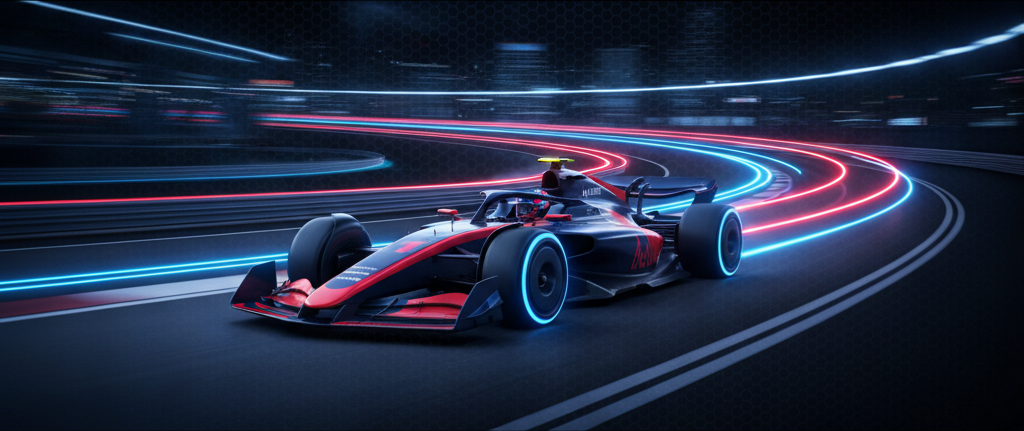
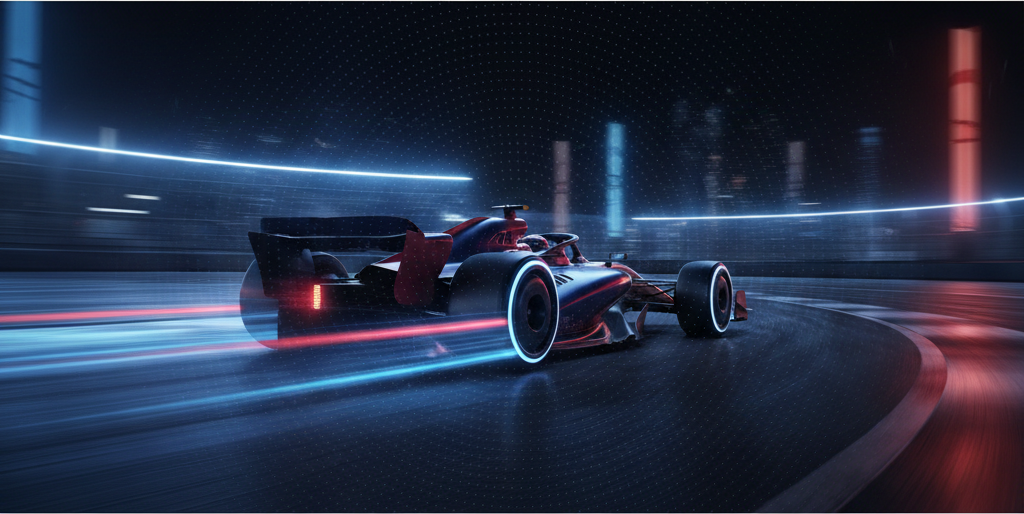
Formula 1 stands on the brink of its most significant regulatory overhaul in years. The 2026 season represents more than just another championship cycle—it's a complete reset of the technical, sporting, and competitive landscape. With revolutionary power unit regulations, major team restructuring, and a driver market that's seen some of the biggest names switch allegiances, F1 2026 promises to be one of the most unpredictable seasons in modern motorsport history.
Whether you're a die-hard fan who follows every practice session or someone who enjoys the strategic elements of sports betting, understanding what's coming in 2026 will fundamentally change how you view the sport. Let's break down everything you need to know about the new regulations, team shake-ups, and who's really positioned to fight for the championship.
The 2026 Regulation Revolution: What's Actually Changing
The FIA's 2026 technical regulations represent the most comprehensive rule changes since the hybrid era began in 2014. These aren't minor tweaks—they're a complete reimagining of what a Formula 1 car should be.
Power Unit Transformation
The headline change centres on the power unit. The new regulations dramatically shift the balance between internal combustion engine (ICE) and electrical power. The MGU-K (Motor Generator Unit-Kinetic) output will nearly triple to around 350kW, while the ICE will be detuned to approximately 400kW. This creates a much more even 50-50 split between traditional and electric power.
Manufacturers like Mercedes, Ferrari, Renault (Alpine), Honda, and new entrant Audi have invested hundreds of millions developing these new power units. The removal of the MGU-H (the complex heat-recovery system that's been a technical marvel but marketing nightmare) simplifies the architecture while maintaining sustainability credentials.
The fuel regulations also change dramatically. F1 will run on fully sustainable fuel—a blend that's completely carbon-neutral in its production. This addresses one of the sport's biggest image challenges while potentially influencing road car development.
Aerodynamic Overhaul
The cars themselves will look noticeably different. Active aerodynamics become legal for the first time in decades, with adjustable front and rear wings that drivers can modify on the fly. This introduces a strategic element reminiscent of DRS but far more sophisticated.
Downforce levels will be reduced by approximately 30% at low speeds, with the aim of making cars more manageable in turbulent air and promoting closer racing. The cars will also be smaller and lighter—a welcome change after years of increasingly massive machines that struggled on traditional circuits.
What This Means for Competition
History tells us that major regulation changes shuffle the competitive order. Teams that invested early and interpreted the rules creatively often dominate the first season under new regulations. Mercedes crushed the competition in 2014 when hybrid power units arrived. Red Bull dominated 2022 when ground-effect aerodynamics returned. Who gets 2026 right could control F1 for years to come.
Team Shake-Ups: Who's Moving Where
The driver market heading into 2026 has been unprecedented in its activity. Several multi-year contracts expire at the end of 2025, creating a perfect storm of movement.
Mercedes: The Hamilton Departure Era
Lewis Hamilton's move to Ferrari shocked the paddock, but Mercedes moved quickly to secure young talent. Their 2026 lineup represents a gamble on youth and potential rather than proven championship-winning experience. The pressure on Toto Wolff to deliver a competitive car with their new power unit has never been higher.
Red Bull Racing: Verstappen's Supporting Cast
Max Verstappen remains locked in at Red Bull through 2028, but the team around him continues to evolve. The departure of key technical personnel and the integration of Ford as a power unit partner (in name and marketing, working with Red Bull Powertrains) represents both opportunity and risk. Can they maintain their competitive edge through such a massive technical transition?
Ferrari: The Hamilton Gamble
Ferrari's decision to pair an aging Hamilton with Charles Leclerc is bold. They're betting that Hamilton's experience with hybrid power unit development and race craft can push them over the championship line they've been approaching for years. The internal team dynamics will be fascinating—two drivers who both expect number one status.
Audi's Arrival
Audi's takeover of Sauber and transformation into a full factory team brings genuine manufacturer competition back to F1. Their technical facilities, budget, and commitment suggest they're not here to make up the numbers. History shows new manufacturer entries often struggle initially (Honda's 2015 return was painful), but Audi's methodical approach and recruitment of top personnel suggests they're playing the long game.
Alpine and Beyond
Renault's Alpine project enters a critical phase. Their Renault power units have consistently lagged the competition, but the 2026 reset offers a clean slate. They've invested heavily in their Viry-Châtillon facility and recruited top engineering talent. This might be their last realistic chance to prove the F1 project is viable.
Title Contender Analysis: Who Can Actually Win?
Predicting championships is notoriously difficult, especially heading into a regulation change. However, several factors help identify genuine contenders versus hopeful outsiders.
Red Bull Racing: The Favourites Until Proven Otherwise
Red Bull enters 2026 with significant advantages. They've won the last four constructors' championships and have Max Verstappen—arguably the best driver on the grid. Their aerodynamics department, led by Pierre Waché, has consistently produced the most efficient cars.
Their weakness? Power unit development. Red Bull Powertrains is relatively new to F1 engine manufacturing. While they've had success with modified Honda units, designing a completely new power unit from scratch presents enormous challenges. If their engine is even slightly off the pace, their aerodynamic advantage might not compensate.
Championship Odds Assessment: Red Bull remains favourites for the constructors' title, with Verstappen the individual championship favourite. However, the margin is narrower than recent years.
Mercedes: The Comeback Kings?
Mercedes' hybrid era dominance (2014-2020) was built on power unit supremacy. They have more institutional knowledge of hybrid systems than any competitor. The 2026 regulations, with their increased electrical component, could play directly into Mercedes' strengths.
Their challenge is aerodynamic. Mercedes has struggled with the ground-effect cars introduced in 2022, often producing fast but unpredictable machines. If they can't crack the new aerodynamic philosophy while simultaneously nailing the power unit, they'll have wasted their best advantage.
Championship Odds Assessment: Mercedes could surprise everyone or underwhelm again. Their ceiling is higher than most teams, but so is their variance. Much depends on their driver lineup's ability to develop the car effectively.
Ferrari: Perpetual Nearly-Men or 2026 Champions?
Ferrari has the budget, facilities, personnel, and now driver lineup to win. They've been competitive but error-prone in recent seasons—both strategically and in terms of reliability. The 2026 regulations don't fundamentally change their technical approach, which could be advantage or disadvantage.
Hamilton's arrival brings proven championship experience and development ability. If he can help Ferrari eliminate their operational errors while Leclerc provides raw speed, they become genuine favourites. The internal team dynamics will be crucial—two alpha drivers can either push a team to greatness or tear it apart.
Championship Odds Assessment: Ferrari should contend for both championships. Whether they convert that into titles depends on factors beyond pure performance—strategy, reliability, and managing driver relations.
The Dark Horses: McLaren and Aston Martin
McLaren's resurgence in recent seasons has been impressive. They've built a strong technical team and made smart operational decisions. However, they're customer team (using Mercedes power units), which historically makes championships difficult.
Aston Martin's Silverstone facilities and Adrian Newey's arrival (if rumours prove true) could accelerate their development. Like McLaren, they face the customer team challenge but have shown willingness to invest whatever it takes.
Both teams are more likely to win individual races and potentially challenge for podium positions consistently rather than mount sustained championship campaigns. However, regulation changes create opportunities for unexpected success.
Long Shots: Alpine, Williams, Audi
Alpine needs a miracle. Their recent form suggests deep organizational issues that new regulations alone won't fix. Williams is rebuilding but probably a regulation cycle away from genuine competitiveness. Audi is the wildcard—they could surprise everyone or struggle as new entrants typically do.
Strategic Implications for Fans and Bettors
Understanding the 2026 landscape isn't just about predicting the champion—it's about recognizing value and entertainment opportunities throughout the season.
The first few races will be particularly unpredictable. Teams won't know their true competitive position until cars hit the track in competitive conditions. Pre-season testing offers clues but often misleads. Remember, Mercedes looked dominant in 2022 testing before their season-long struggles became apparent.
For those interested in the betting markets, futures betting on early season value becomes particularly interesting around regulation changes. Odds will be volatile as each race provides new data about genuine performance levels. Similar strategic thinking that applies to major tournaments like the World Cup also applies to season-long F1 markets.
Mid-season development races become crucial. The team that develops fastest through 2026 might not win that year's championship but could dominate 2027 and beyond. Watching technical development, upgrade packages, and wind tunnel allocation (which is performance-based, meaning slower teams get more development time) offers insight into longer-term competitiveness.
What to Watch in Pre-Season Testing
February 2026's pre-season testing in Bahrain will be essential viewing. Several key indicators will reveal genuine competitive order:
Power Unit Reliability
Which teams complete high mileage without issues? Reliability in the first year of new power unit regulations is rarely perfect. Teams that can run race simulations without problems have immediate advantages.
Fuel Consumption Management
The new sustainable fuels and power unit architecture create different consumption profiles. Teams that efficiently manage fuel loads can run lighter, which compounds performance advantages.
Active Aerodynamics Integration
How teams implement active aero systems—when they deploy them, how aggressively they adjust settings, and how this integrates with overall race strategy—will separate leaders from followers.
Driver Adaptation
The new cars will feel completely different to drive. Which drivers adapt quickly? Hamilton's experience with dramatically different car characteristics throughout his career could prove valuable. Younger drivers might struggle with the reduced downforce and different power delivery.
The Broader F1 Landscape
The 2026 season doesn't exist in isolation. Several broader trends will influence the championship:
Budget Cap Effects
The cost cap continues to equalize resources between top and smaller teams. This regulation cycle might be the first where budget cap effects genuinely influence the championship fight, as teams can't simply spend their way out of problems.
Sustainability Pressure
F1's push toward carbon neutrality by 2030 means 2026 is a crucial milestone. Success or failure of these regulations will influence future rule-making and potentially manufacturer participation.
Sprint Format Evolution
The sprint race format continues to evolve. How this integrates with new regulations and whether it enhances or diminishes championship fights remains contentious.
Global Calendar Expansion
The 2026 calendar could feature 24+ races across six continents. This logistical challenge tests team resources in new ways, potentially favouring teams with deeper operational structures.
Making Your Predictions Count
Whether you're making casual predictions with friends or exploring betting markets, understanding the technical and competitive landscape improves your analysis. The teams that master the new power unit regulations while maintaining aerodynamic efficiency will dominate. Those that get one element right but not the other will frustrate their fans with inconsistency.
The 2026 season represents F1 at its most unpredictable and exciting—a genuine unknown where decades of assumptions get reset and new hierarchies establish themselves. For fans, this creates compelling narratives throughout the season. For those who enjoy the strategic elements, it creates opportunities that stable regulations rarely provide.
Whether you're watching purely for entertainment or have a vested interest in outcomes, the 2026 F1 season promises to deliver drama, surprise results, and potentially the crowning of unexpected champions. The only certainty is that nothing is certain—and that's exactly what makes it so compelling.
Ready to put your F1 knowledge to the test? Visit Zizobet for comprehensive motorsport betting markets, competitive odds on every race, and futures markets on the 2026 championship. With expert analysis, live betting options, and special promotions throughout the season, Zizobet is your destination for F1 betting in 2026 and beyond.
FAQs
What are the most significant rule changes for F1 2026?
The 2026 regulations introduce three major changes: a complete power unit redesign with a 50-50 split between combustion and electrical power (up from roughly 70-30 currently), fully sustainable carbon-neutral fuel, and active aerodynamics that allow drivers to adjust wing angles during races. The cars will also be smaller, lighter, and produce less downforce at low speeds. These changes represent the most comprehensive overhaul since hybrid engines arrived in 2014, fundamentally altering how teams design cars and how drivers race them.
Which teams are best positioned to win the 2026 championship?
Red Bull Racing enters as favourites based on recent dominance, though their relative inexperience with power unit manufacturing creates uncertainty. Mercedes has the strongest hybrid system expertise, potentially giving them an advantage with the increased electrical component. Ferrari's combination of resources, facilities, and Lewis Hamilton's arrival makes them genuine contenders. McLaren and Aston Martin could surprise as dark horses, while Audi's entry as a new manufacturer adds unpredictability. The first few races will be crucial in establishing the true competitive order.
How will active aerodynamics change racing in 2026?
Active aerodynamics allow drivers to adjust front and rear wing angles during races, creating strategic options beyond current DRS systems. Teams can optimize configurations for straight-line speed or cornering downforce depending on track position, tire condition, and race strategy. This adds a skill element—drivers who master these adjustments gain advantages—while potentially improving overtaking opportunities. The system will be more sophisticated than previous active aero implementations, with precise control rather than simple on-off adjustments.
Why is the 2026 power unit considered more sustainable?
The 2026 power units run on 100% sustainable fuel—synthetic fuels produced using renewable energy sources with carbon capture technology, making them effectively carbon-neutral. The increased electrical power component (nearly tripling the MGU-K output) reduces reliance on traditional combustion. While the cars still use internal combustion engines, the combination of sustainable fuel and increased electrification significantly reduces F1's carbon footprint. This positions F1 as a development platform for road-relevant sustainable technology rather than purely a sporting spectacle.
Will Lewis Hamilton's move to Ferrari guarantee them the championship?
No driver guarantees championships, but Hamilton brings significant advantages: seven championships worth of experience, proven ability to develop cars with teams, expertise with hybrid power units from his Mercedes years, and unmatched racecraft. However, Ferrari must provide him with a competitive car and avoid the strategic and reliability issues that have plagued recent seasons. The partnership with Charles Leclerc could be explosive—either in terms of performance or internal conflict. Success depends on Ferrari's organizational improvement as much as Hamilton's individual abilities.
How can I follow F1 2026 if I'm new to the sport?
Start by watching race highlights and qualifying sessions to understand the basic format. Follow official F1 social media for accessible content and driver personalities. Read pre-race analysis to understand strategic elements and what to watch for. Consider the technical rule changes as a fresh start—even long-time fans are learning about 2026's new regulations. Many fans also enhance engagement through strategic betting markets, which encourages deeper understanding of form, performance, and competitive dynamics. The 2026 season's unpredictability makes it a perfect entry point for new fans, as established hierarchies get reset and everyone starts from the same knowledge baseline.
Frequently Asked Questions
Quick answers to common questions
The FIA's 2026 technical regulations represent the most comprehensive rule changes since the hybrid era began in 2014. These aren't minor tweaks—they're a complete reimagining of what a Formula 1 car should be.
The driver market heading into 2026 has been unprecedented in its activity. Several multi-year contracts expire at the end of 2025, creating a perfect storm of movement.
Predicting championships is notoriously difficult, especially heading into a regulation change. However, several factors help identify genuine contenders versus hopeful outsiders.
Understanding the 2026 landscape isn't just about predicting the champion—it's about recognizing value and entertainment opportunities throughout the season.
February 2026's pre-season testing in Bahrain will be essential viewing. Several key indicators will reveal genuine competitive order:
About the Author

James Hartley
SEO Content Strategist
James Hartley is a seasoned seo content strategist with over 8 years of hands-on experience in SEO content strategy and digital marketing within the online gambling and technology sectors. Specialising in data-driven analysis and audience-first storytelling, James has helped leading iGaming brands build authoritative content ecosystems that rank, convert, and retain readers.
With a deep understanding of search engine algorithms, player behaviour, and regulatory landscapes across European and international markets, James delivers well-researched articles that blend expert insight with practical advice — empowering readers to make informed decisions whether they're exploring sports betting strategies, casino game guides, or industry news.

Get 100% Welcome Bonus up to €500!
New players only. Use code ZIZO2026 at registration.
Claim Your BonusComments (2)
Great article! These tips really helped me improve my betting strategy. The Champions League analysis was spot on.
Totally agree! I made some good picks using these insights.
Very informative content. Would love to see more articles about live betting strategies!
Related Articles

World Cup 2026 Third-Place Match – A History of the Forgotten Game and Why It Still Matters
The World Cup third-place match has a fascinating history. From dramatic goals to reluctant teams, discover why this 'forgotten game' still matters in 2026.
James Hartley
The World Cup 2026 Mascot, Ball, and Branding – Everything FIFA Has Revealed So Far
Discover everything FIFA has unveiled about World Cup 2026, from the vibrant mascot to the official match ball and tournament branding that will define this historic event.
James Hartley
How Club Managers Feel About the World Cup – The Annual Tension Between Clubs and Countries
Explore the annual conflict between club managers and international football as the World Cup disrupts domestic seasons, risking player injuries and team performance.
James Hartley