

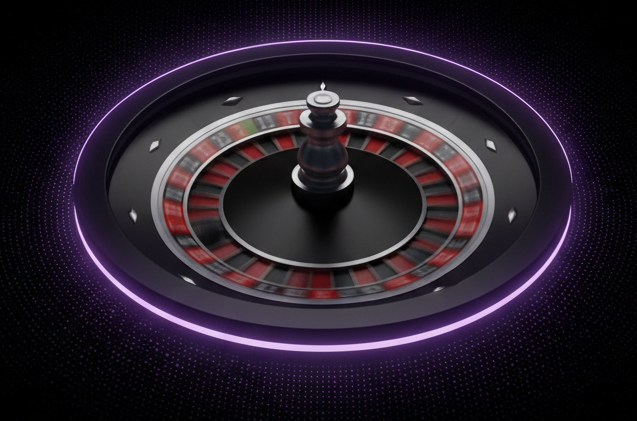
Roulette has been a casino staple for centuries, but the digital age has introduced a fascinating split in how the game is delivered online. Walk into any live casino lobby today and you'll find two distinct approaches: traditional dealer-led tables where a human croupier spins the wheel, and automated roulette where compressed air or mechanical systems handle the action. Both claim advantages, both have loyal followings, and both occupy significant real estate in major casino platforms.
The choice between auto roulette and dealer-led roulette isn't just about personal preference anymore. It affects everything from how quickly you can play to how much you trust the results, and ultimately shapes your entire live casino experience. As we examine The Biggest Live Casino Software Updates of 2026 – New Tables, New Shows, and What's Changed, it's clear that both formats continue to evolve, each addressing different player priorities.
Let's break down the real differences, the psychological factors at play, and what actual player data tells us about preferences in 2026.
What Auto Roulette Actually Is
Auto roulette, sometimes called automated roulette or RNG-hybrid roulette, uses mechanical systems to spin a real physical wheel without human intervention. The most common implementation involves compressed air jets that launch the ball while a motor spins the wheel. Everything happens in a studio with cameras capturing every angle, but there's no dealer present.
The betting interface works identically to dealer-led tables. You see a real wheel, real ball physics, and real outcomes determined by where the ball lands. The key difference is timing and control. Auto roulette systems typically run on fixed intervals—often 30 to 45 seconds between spins—compared to the 60 to 90 seconds common at dealer tables.
Some providers have refined this format considerably. Evolution Gaming's Auto-Roulette uses precision-engineered air systems. Authentic Gaming offers Blaze Auto Roulette with even faster spin cycles. Playtech's Age of Gods Auto Roulette adds progressive jackpot overlays to the traditional format.
The technology isn't new, but refinements in 2026 have made these systems remarkably reliable. Ball release mechanisms rarely malfunction, wheel balance is continuously monitored, and camera quality rivals or exceeds what you'll find at many dealer tables.
The Dealer-Led Experience
Traditional dealer-led roulette remains the flagship format for most live casino providers. A professional croupier operates the wheel, releases the ball, manages the table, and often provides light conversation or commentary. The human element adds theater to the experience.
Dealer tables come in various formats. Standard tables accommodate unlimited players. VIP tables offer higher limits and sometimes exclusive access, as detailed in Live Casino VIP Tables Explained – How High-Roller Rooms, Private Tables, and Salon Privé Work. Speed tables attempt faster rounds but still require the dealer's physical actions.
The pace is inherently slower. Dealers must wait for bets, spin the wheel with proper force, release the ball, wait for it to settle, verify the result, clear losing bets, and pay winners. Even efficient dealers need 60-75 seconds minimum between spins, and busy tables can stretch to 90 seconds or more.
This slower pace isn't necessarily a disadvantage. Many players appreciate the breathing room between decisions. The dealer's presence creates social atmosphere, even if you're not chatting. Watching a professional operate the wheel adds authenticity that some players find reassuring.
Speed Comparison: The Numbers
Speed differences between formats are substantial and measurable. Auto roulette typically delivers 80-100 spins per hour. Fast auto roulette variants can exceed 120 spins hourly. Dealer-led tables usually manage 40-60 spins per hour, with VIP and less crowded tables potentially reaching 65-70.
That's roughly double the game volume for auto roulette.
For recreational players, this might not matter. If you're playing for entertainment with a fixed session budget, slower play means your money lasts longer. An hour with £100 spread across dealer-led roulette gives you more entertainment time than the same budget on auto roulette.
For advantage players tracking wheels or using progression systems, speed becomes critical. More spins mean more data collection or more opportunities to execute betting strategies. Auto roulette's consistent timing also makes bankroll planning more predictable.
The speed factor connects to broader How to Manage Your Bankroll at Live Casino Tables – Session Limits, Stop-Loss Rules, and Bet Sizing considerations. Faster games require tighter discipline since you're making more decisions per hour and exposing your bankroll more frequently.
Trust and Fairness Perception
This is where psychology becomes as important as mathematics. Both formats use genuinely random physical wheels. The ball bounces off physical frets, settles into physical pockets, and the outcome is entirely mechanical. Neither format is "more random" than the other.
Yet player trust differs significantly.
Many players instinctively trust human dealers more than automated systems. The reasoning is often emotional rather than logical—they can "see" the dealer spin, verify the process, and feel confident nothing digital is interfering. The human presence implies oversight and authenticity.
Conversely, some players distrust automated systems as "too convenient" for operators. They question whether the air jets or release mechanisms might somehow influence outcomes, despite this being both technically improbable and commercially suicidal for licensed operators.
Interestingly, a subset of players trusts auto roulette more precisely because humans aren't involved. They view dealer influence—intentional or accidental—as the real risk. Automated systems eliminate dealer error, inconsistent ball release, and any possibility of manipulation.
Regulatory testing doesn't distinguish between formats. Both undergo identical fairness verification. Wheels must meet balance specifications, outcomes must pass randomness tests, and systems must be tamper-proof. A rigged auto roulette wheel would lose its license as quickly as a rigged dealer table.
The trust question is ultimately about perception, not reality. Similar to how some players question crash game randomness as explored in The Maths Behind Crash Games – How Multiplier Curves, House Edge, and Probability Really Work, the actual mathematics are sound even when player confidence wavers.
Player Preference Data From 2026
Recent industry data provides interesting insights into actual player behavior rather than stated preferences.
Dealer-led roulette still captures roughly 65-70% of total roulette wagering volume across major operators. This hasn't changed dramatically over recent years, suggesting stable preference for the traditional format among the player base as a whole.
However, auto roulette shows higher engagement metrics in specific demographics. Players under 30 show nearly equal preference for both formats. Players who also engage with slots or mini-games favor auto roulette at higher rates, suggesting they value speed and continuous action.
Session length tells another story. Auto roulette sessions average shorter duration—typically 15-25 minutes—but higher frequency. Players return to auto tables more often throughout the day. Dealer tables generate longer individual sessions, often 45-60 minutes, but less frequent repeat visits.
Stake sizes skew slightly higher at dealer tables, particularly at VIP variants. Auto roulette attracts broader stake ranges, from minimum bets to moderate levels, with fewer very high rollers compared to exclusive dealer tables.
Geographic preferences exist too. European players slightly favor dealer tables, possibly due to longer traditions with physical casinos. Asian markets show stronger auto roulette adoption, particularly for formats that integrate side bets or jackpot features.
Mobile vs desktop also matters. Auto roulette performs proportionally better on mobile devices, where the streamlined interface and faster pace suit smaller screens and on-the-go play. Dealer tables remain more popular on desktop where players have time and screen space for the fuller experience.
The Social Element (Or Lack Thereof)
Dealer-led roulette offers chat functions, dealer interaction, and the presence of other players' bets visible on screen. This creates a social layer that auto roulette entirely lacks.
For some players, this social dimension is essential. They enjoy the dealer's personality, appreciate the "good luck" wishes, and like seeing other players' strategies. The chat can provide community feeling even when playing alone at home.
For others, the social aspect is irrelevant or even annoying. They're focused on their own strategy, don't want distractions, and prefer the clean efficiency of automated spins. Auto roulette delivers pure game mechanics without social overhead.
This preference often correlates with broader gaming habits. Players who enjoy The Rise of Live Game Show Hybrids – How Funky Time, Stock Market, and Gonzo's Treasure Hunt Blend Genres tend to appreciate dealer interaction and entertainment value. Players focused on slots or sports betting often prefer auto roulette's no-nonsense approach.
Interestingly, some operators now offer hybrid solutions—auto roulette with optional dealer commentary or pre-recorded dealer introductions that run alongside automated spins. These attempt to capture both efficiency and personality, though reception has been mixed.
Cost and Availability Considerations
From an operator perspective, auto roulette is significantly cheaper to run. No dealer salaries, no shift scheduling, no training costs, and no language considerations. One automated wheel can run 24/7 with only technical maintenance.
This cost advantage often translates to better table availability and sometimes slightly better RTP (return to player) percentages, though the standard roulette house edge remains consistent across formats.
Dealer tables require substantial ongoing investment. Quality dealers command good salaries, particularly those fluent in multiple languages or trained for VIP service. Studios need proper facilities, and scheduling must cover all time zones.
These costs mean dealer tables often have minimum bet requirements, particularly during peak hours. Auto roulette more commonly offers lower minimums, making it more accessible for smaller bankrolls.
Table availability also differs. Finding an auto roulette table is almost always instant—they're never "full" and rarely offline. Dealer tables can have wait times during busy periods, and popular dealers or tables may be crowded.
Which Format Actually Suits Different Player Types
Auto roulette works best for:
Dealer-led roulette suits:
Neither format is objectively "better." The house edge is identical, the randomness is equally legitimate, and both are properly regulated. The choice comes down to what you value in your gaming experience.
Technical Reliability and Disconnection Handling
Both formats handle technical issues professionally, following regulated protocols detailed in What Really Happens When You Disconnect Mid-Hand in Live Casino – Rules, Refunds, and Protections.
Auto roulette typically has fewer interruptions. No dealer breaks, no shift changes, and no human factors that might delay or pause play. Technical malfunctions are rare with modern systems, and when they occur, the affected spins are voided and bets returned.
Dealer tables experience occasional delays—dealer changes, technical issues, or rare disputes requiring supervisor intervention. These are typically minor and brief, but they do interrupt the flow.
Connection loss affects both formats similarly. Your active bets stand regardless of your connection status, and you can verify results upon reconnection. Most platforms now offer automatic decision completion for outside bets if you disconnect during the betting window.
The Future of Both Formats
Industry trends suggest both formats will continue evolving rather than one replacing the other. Auto roulette is getting faster, with some experimental tables pushing toward three-minute rounds (120+ spins hourly). Enhanced graphics and optional augmented reality overlays are being tested.
Dealer tables are becoming more specialized. We're seeing more themed tables, celebrity dealers, and interactive features that leverage the human presence. Some operators experiment with dealers who explain strategies or provide light instruction, particularly for markets where roulette is less familiar.
Hybrid approaches may gain ground—automated wheels with live hosts who provide commentary without controlling the game, or dealer tables with automated bet processing to speed up rounds.
As Live Casino Revenue Now Accounts for 30% of Online Casino Earnings – What's Driving the Surge indicates, the entire live casino sector is growing. Both auto and dealer formats benefit from this rising tide, suggesting room for multiple approaches rather than a winner-take-all outcome.
Making Your Choice
If you haven't tried both formats, the simplest approach is experimentation. Most casinos offer both types, often with low minimum bets on auto tables and accessible dealer tables during off-peak hours.
Try a session on each format with identical betting patterns. Notice which pace feels comfortable, whether the dealer presence matters to you, and whether the faster or slower rhythm suits your decision-making style.
Your preference might also vary by context. Quick mobile sessions during breaks might call for auto roulette's efficiency, while relaxed evening play might favor dealer tables' atmosphere.
Remember that neither format changes the fundamental mathematics. The house edge remains constant, your betting strategy works identically on both, and long-term outcomes will be statistically similar. The format choice is about experience quality, not winning probability.
Final Thoughts
The auto roulette versus dealer-led debate ultimately isn't about which is objectively superior. It's about recognizing that different players value different aspects of the roulette experience.
Speed enthusiasts and efficiency-focused players find auto roulette's rapid-fire format ideal. Traditionalists and those who value atmosphere prefer dealer tables' human touch. Many players happily use both depending on mood and circumstances.
The beauty of 2026's live casino landscape is that you don't have to choose permanently. Quality operators offer both formats, often with multiple variants of each, letting you match the format to your current preferences.
What matters most is understanding what you're getting with each option, recognizing that both are legitimate and fair, and choosing based on what actually enhances your enjoyment rather than misconceptions about which is "better."
FAQs
Is auto roulette rigged compared to dealer-led roulette?
No. Both formats use physical wheels subject to identical regulatory testing and fairness standards. Auto roulette wheels undergo the same balance testing, randomness verification, and regulatory oversight as dealer tables. The ball physics are identical—gravity, momentum, and friction determine outcomes in both cases. Rigging either format would result in license revocation and serious legal consequences for operators. Any perception that one is more trustworthy than the other is psychological rather than factual.
How much faster is auto roulette than regular dealer roulette?
Auto roulette typically delivers 80-120 spins per hour depending on the specific variant, while dealer-led tables manage 40-60 spins hourly. This means auto roulette is roughly 1.5 to 2 times faster. Fast auto roulette variants can exceed 120 spins per hour, while busy dealer tables during peak times might drop below 40. This speed difference significantly affects how quickly you play through your bankroll and how many betting decisions you make per session.
Can I use the same betting strategies on both auto and dealer roulette?
Yes, absolutely. The wheel layout, bet types, payouts, and house edge are identical across both formats. Martingale, Fibonacci, D'Alembert, or any other betting system works exactly the same way. The only practical difference is that faster auto roulette means you'll progress through your system more quickly, requiring tighter bankroll management. The mathematics of your strategy don't change—only the pace of implementation.
Do auto roulette tables have lower minimum bets?
Generally yes, though this varies by operator. Auto roulette's lower operating costs often translate to more accessible minimum bets, frequently starting at £0.10-£0.50 compared to £1-£5 minimums common at dealer tables. However, some premium auto roulette variants have higher limits, and off-peak dealer tables sometimes offer reduced minimums. The cost difference is more about operational economics than format requirements.
Which roulette format is better for mobile play?
Auto roulette typically performs better on mobile devices. The streamlined interface requires less screen space, there's no dealer video to worry about (which can consume bandwidth and battery), and the faster pace suits shorter mobile sessions. Dealer tables work fine on mobile but benefit from larger screens where you can fully appreciate the video quality and interface elements. Player data shows proportionally higher auto roulette usage on mobile compared to desktop.
Do professional roulette players prefer one format over the other?
This depends on their approach. Advantage players seeking wheel bias or dealer signatures obviously need dealer tables where they can track specific wheels and dealers over time. System players using progression betting often prefer auto roulette's speed, which provides more data points and faster progression through their systems. Recreational players who treat roulette as entertainment rather than profession tend to prefer dealer tables for the experience. There's no universal professional preference—it depends entirely on strategy and objectives.
Ready to experience both auto and dealer-led roulette formats for yourself? Zizobet offers an extensive selection of both types, from lightning-fast auto tables to premium VIP dealer experiences. Compare the formats firsthand, find your preference, and enjoy the flexibility of switching between them whenever you choose. Join Zizobet today and discover which roulette format suits your style.
Frequently Asked Questions
Quick answers to common questions
Auto roulette, sometimes called automated roulette or RNG-hybrid roulette, uses mechanical systems to spin a real physical wheel without human intervention. The most common implementation involves compressed air jets that launch the ball while a motor spins the wheel. Everything happens in a stud...
Traditional dealer-led roulette remains the flagship format for most live casino providers. A professional croupier operates the wheel, releases the ball, manages the table, and often provides light conversation or commentary. The human element adds theater to the experience.
Speed differences between formats are substantial and measurable. Auto roulette typically delivers 80-100 spins per hour. Fast auto roulette variants can exceed 120 spins hourly. Dealer-led tables usually manage 40-60 spins per hour, with VIP and less crowded tables potentially reaching 65-70.
This is where psychology becomes as important as mathematics. Both formats use genuinely random physical wheels. The ball bounces off physical frets, settles into physical pockets, and the outcome is entirely mechanical. Neither format is "more random" than the other.
Recent industry data provides interesting insights into actual player behavior rather than stated preferences.
About the Author

James Hartley
SEO Content Strategist
James Hartley is a seasoned seo content strategist with over 8 years of hands-on experience in SEO content strategy and digital marketing within the online gambling and technology sectors. Specialising in data-driven analysis and audience-first storytelling, James has helped leading iGaming brands build authoritative content ecosystems that rank, convert, and retain readers.
With a deep understanding of search engine algorithms, player behaviour, and regulatory landscapes across European and international markets, James delivers well-researched articles that blend expert insight with practical advice — empowering readers to make informed decisions whether they're exploring sports betting strategies, casino game guides, or industry news.

Get 100% Welcome Bonus up to €500!
New players only. Use code ZIZO2026 at registration.
Claim Your BonusComments (2)
Great article! These tips really helped me improve my betting strategy. The Champions League analysis was spot on.
Totally agree! I made some good picks using these insights.
Very informative content. Would love to see more articles about live betting strategies!
Related Articles

The House Edge at Every Live Casino Table – A Complete Comparison From Blackjack to Game Shows
Discover the house edge at every live casino table game. Compare blackjack, roulette, baccarat, poker variants, and game shows to find the best odds in 2026.
James Hartley
Speed Roulette vs Lightning Roulette vs Double Ball Roulette – Every Modern Variant Compared
Speed Roulette, Lightning Roulette, and Double Ball Roulette compared in-depth. Learn which modern variant suits your style, bankroll, and risk appetite best.
James Hartley
Monopoly Live Deep Dive – Bonus Round Probability, Expected Value, and Why Mr Monopoly Matters
An in-depth mathematical breakdown of Monopoly Live bonus rounds, probability calculations, expected value analysis, and strategic insights into Evolution Gaming's iconic wheel game.
James Hartley